Content is the new volume!

I’m having a great time here at #EEC16. Today is my visit and go to sessions day, since tomorrow I’m speaking at 2 different sessions.
I was lucky enough to get into the Customer Experience session presented by Carey Kegel of SmartPak and Loren McDonald of IBM Marketing Cloud. It was an interesting session.
If you don’t know, SmartPak is a brand focused on selling horse tack and supplements. They initially started off by creating packs of supplements for your horse. This is great for horse owners, as it means the barn staff just needs to add one pack to your horse’s feed. No measuring, no confusion, it’s simple and means your horse gets what they need.
First they started talking about the volume of email sent by SmartPak. Their mails aren’t that consistent, but they mail between 25 and 30 emails a month. Some months last year they mailed every day.
What they started seeing, though, is that the volume of marketing mail drove list churn. The biggest reason users gave for unsubscribing was “too much volume.” The more mail they sent, the more unsubscribes they saw. Even worse, more volume did not translate into revenue. As email volume went up, email performance decreased.
They tested adding content to emails. Just a block on the side of the email with links to content on their website. Adding the content links increased click through rates by 9% and revenue per email by 15%.
These results don’t require the content be in the emails. Using emails to drive recipients to already existing content on the website, including videos and surveys.
The session didn’t specifically discuss deliverability directly, but I think there were some clear deliverability benefits to content marketing.  In fact, an email with no call to action, simply a post-purchase “what to expect” email had an open rate of 33%. These types of open rates help improve overall reputation and lead to more inbox deliveries.
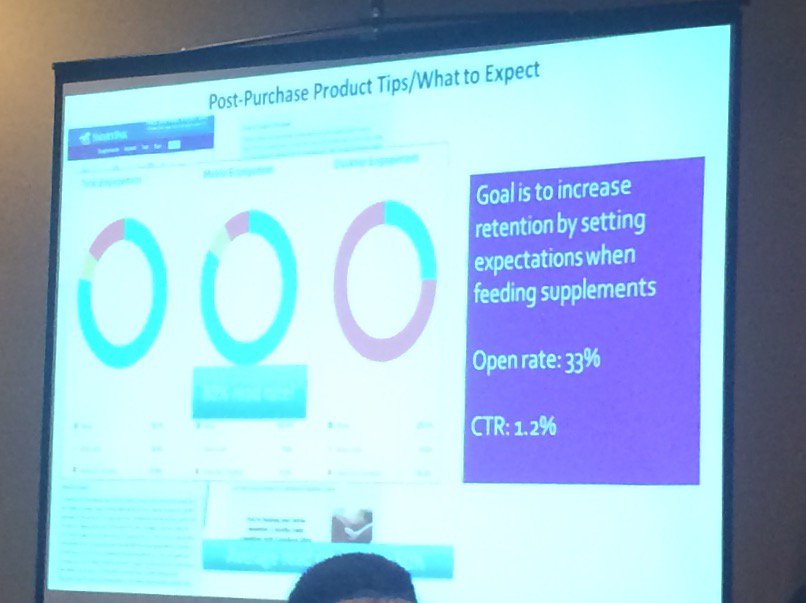
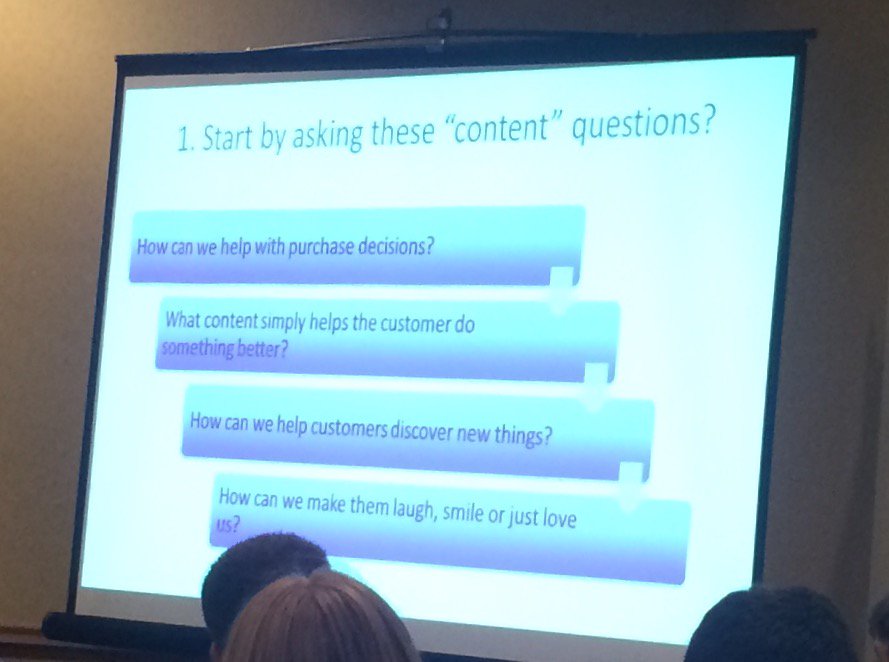
The session really drove home how valuable content marketing is. One thing that was continually repeated during the session is that most marketers have the content already. Use email to drive users to the content you already have. Include that content in marketing mails. Meet the recipient’s needs and wants.
There are a couple takeaways I got from the session.

  • Use the content you have to reach out to your customers and recipients
  • Pay attention to where in the sales cycle your customer is and send content relevant to that stage.
  • Think about what your subscriber needs.
  • I’m not the only person with an Animal Science degree now in email marketing (how weird is that?)

How do you do this?
 

Related Posts

Relevance?

As a past guest and/or meeting planner of Millennium Hotels and Resorts we are pleased to share these occasional special offers. If you no longer wish to receive email communications from us, please click the unsubscribe link. Please note that this broadcast is sent from an address which is not monitored. If you have questions about the offer, please contact us directly. Our hotel contact details may be found in this email offer above or you may visit www.millenniumhotels.com.

Read More

The frequency conundrum

What is the perfect frequency to send mail? Is it daily, weekly, monthly, hourly, minutely (is that even a word?) or randomly? Any number of experts will give you a definitive answer to this question, but I don’t believe there is a single answer.
The frequency recipients will respond to depends on the type of mail, the recipient expectations, the sender and a host of other factors.
For one example look at the mail sent by social networks. Many people, myself included, will accept dozens of emails a day telling me someone wrote on my Facebook wall or retweeted something I said or wants to link to my network on LinkedIn. Another example is when I’m traveling or waiting to pick up someone who is, I am thrilled to receive multiple updates an hour from the airline.
This willingness to receive frequent commercial or bulk emails doesn’t necessarily translate to marketing emails. When Sur la Table started sending double digit amounts of email a week, I down-subscribed, and had they not let me pick an acceptable-to-me frequency I would have unsubscribed completely.
A lot of marketing experts insist that mailers don’t send frequently enough. That increasing frequency increases ROI. What a lot of people miss are all the caveats in the fine print. In their minds, increasing frequency goes hand in hand with increased segmentation, targeting and recipient specific emails.
The idea isn’t simply to mail the entire list more frequently but to mail those who are more open to increased frequency. This is an idea I wholeheartedly support.

Read More

Court rules blogger is not a journalist

Last week a federal judge ruled a blogger, Crystal Cox, was not a journalist and not subject to first amendment protections. I haven’t been following the case very closely, but was a little concerned about the precedent and the liability for people like me who blog.
Reading some of the articles on the case, though, I’m less worried. This isn’t a blogger making some statements. Instead, Ms. Cox acted more like a stalker and harasser than a reporter. The judge even concluded that had she been granted protection as a journalist it was unlikely she could prevail as there was little factual basis for her statements.
Others have done better summaries of the case and the effect and I encourage everyone to read them.
Seattle Weekly
New York Times
Ars Technica
Forbes

I also discourage folks from applying this ruling to all bloggers. It’s not clear she was doing anything journalistic. I did find it interesting that some of her techniques to ruin the lawyer’s search results were defined as Search Engine Optimization. I’ve long thought SEO was akin to spam: say something often enough in enough places and you start to dominate the conversation. Not because you have anything useful to say, but because no one can get an idea in otherwise.

Read More