Email is inherently a malicious traffic stream

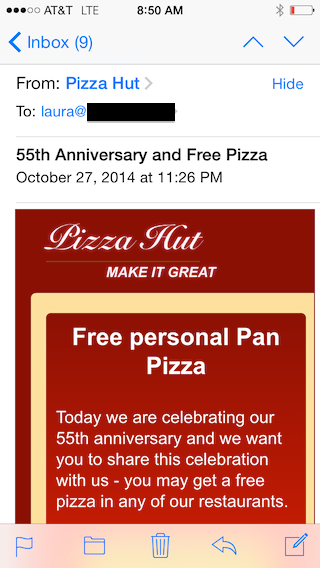
It’s something many people don’t think about, but the majority of the traffic coming into the SMTP port is malicious. Spam is passively malicious, in that it just uses resources and bothers people. But there is a lot of actively malicious traffic coming into the SMTP port. Email is used as a vector to spread viruses and other malware. Email is also used for phishing and scamming. Many of the major hacks we’ve heard about over the last few years, including those in the email space, started with a single user getting infected through email.
We talk a lot about delivery here with clients and primarily focus on making sure their mail looks as unlike malicious mail as possible. We focus on spam filters, but every piece of mail goes through filters that also look for viruses, phishes, malware and other malicious traffic.
Mail servers are under attack constantly. The only reason our inboxes are useful is through the hard work of many people to filter out the bad and keep users from seeing the bulk of the mess attacking them.
Related Posts

SMTP Level Rejections

While discussing a draft of a Deliverability BCP document the issue came up of what rejections at different phases of the email delivery transaction can mean. That’s quite a big subject, but here’s a quick cheat sheet.
At initial connection
Dropped or failed connection:

Read More

What about the bots?

M3AAWG published a letter to the FCC addressing the implementation of CSRIC III Cybersecurity Best Practices (pdf link)
The takeaway is that of the ISPs that contribute data to M3AAWG (37M+ users), over 99% of infected users receive notification that they are infected.
I hear from senders occasionally that they are not the problem, bots are the problem and why isn’t anyone addressing bots. The answer is that people are addressing the bot problem.

Read More

LinkedIn shuts down Intro product

Intro was the LinkedIn product that created an email proxy where all email users sent went through LinkedIn servers. This week LinkedIn announced it is discontinuing the product. They promise to find new ways to worm their way into the inbox, but intercepting and modifying user mail doesn’t seem to have been a successful business model.

Read More